
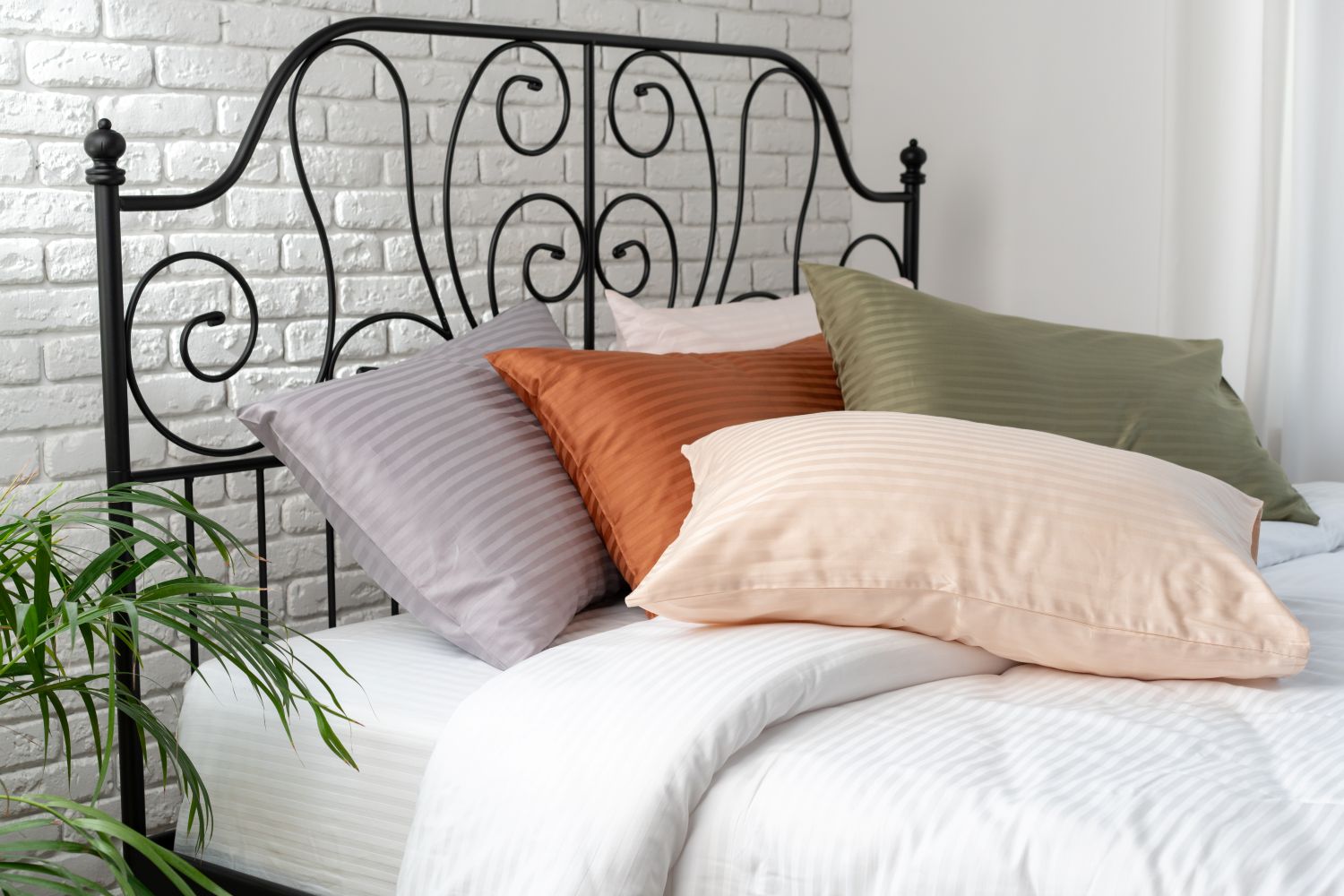
When it comes to a good night’s sleep, the pillowcase you choose can make a significant difference. The right material not only affects comfort but also influences skin health, hair maintenance, and overall sleep quality. With a variety of options available, including cotton, silk, and microfiber, it’s essential to understand the pros and cons of each material. This article breaks down the characteristics of these popular pillowcase materials to help you make an informed decision.
1. Cotton Pillowcases
Overview
Cotton is one of the most widely used materials for pillowcases, thanks to its natural properties and versatility. Available in various weaves, including percale and sateen, cotton pillowcases can cater to different preferences for texture and feel.
Pros
- Breathability: Cotton is a highly breathable fabric, making it ideal for regulating temperature during sleep. It helps keep you cool in the summer and warm in the winter.
- Hypoallergenic: Cotton is less likely to irritate sensitive skin and is resistant to dust mites, making it a suitable choice for allergy sufferers.
- Durability: High-quality cotton pillowcases can withstand regular washing and maintain their shape and softness over time.
- Variety: Cotton comes in various thread counts and weaves, allowing you to choose the level of softness and firmness that suits your preference.
Cons
- Wrinkling: Cotton pillowcases can wrinkle easily, requiring ironing for a neat appearance.
- Moisture Absorption: While breathable, cotton can absorb moisture, which may not be ideal for individuals who sweat during the night.
2. Silk Pillowcases
Overview
Silk pillowcases have gained popularity in recent years, particularly for their luxurious feel and potential benefits for skin and hair. Made from natural silk fibers, these pillowcases provide a unique sleeping experience.
Pros
- Gentle on Skin and Hair: Silk is smooth and less absorbent than cotton, which helps reduce friction on the skin and hair. This can lead to fewer wrinkles and less frizz, making silk a favorite for beauty enthusiasts.
- Temperature Regulation: Silk naturally regulates temperature, keeping you cool in summer and warm in winter, similar to cotton.
- Hypoallergenic: Silk is naturally resistant to dust mites, mold, and other allergens, making it suitable for sensitive individuals.
Cons
- Cost: Silk pillowcases tend to be more expensive than cotton and microfiber options, which may be a consideration for budget-conscious shoppers.
- Care Requirements: Silk requires special care, including hand washing or dry cleaning, to maintain its quality and sheen. It can also be prone to staining.
- Less Durability: While silk is strong, it can be less durable over time compared to cotton, especially if not cared for properly.
3. Microfiber Pillowcases
Overview
Microfiber is a synthetic material made from finely woven polyester or nylon fibers. It has become a popular choice for pillowcases due to its affordability and performance.
Pros
- Affordability: Microfiber pillowcases are generally more budget-friendly compared to cotton and silk, making them accessible for many shoppers.
- Softness: Microfiber is known for its soft texture, providing a cozy and comfortable sleeping surface.
- Wrinkle and Stain Resistant: Microfiber is less prone to wrinkling and staining, making it easy to maintain and care for.
- Moisture Wicking: Microfiber can wick away moisture, helping to keep you dry during the night.
Cons
- Breathability: Microfiber is less breathable than natural fabrics like cotton and silk, which can lead to overheating for some individuals.
- Less Eco-Friendly: As a synthetic material, microfiber is derived from petroleum products and may not be as environmentally friendly as natural fibers.
- Durability Concerns: While microfiber can be durable, it may not hold up as well as high-quality cotton over time, especially with frequent washing.
Conclusion
When choosing the right pillowcase material, it ultimately comes down to personal preference and specific needs. Cotton offers breathability and durability, making it a versatile choice for many. Silk provides luxurious comfort and benefits for skin and hair, but comes with higher costs and care requirements. Microfiber presents an affordable, low-maintenance option, though it may lack the breathability of natural fabrics.
Consider your sleeping habits, skin type, and budget when making your decision. Whichever material you choose, investing in quality pillowcases can significantly enhance your sleep experience and contribute to your overall well-being.