
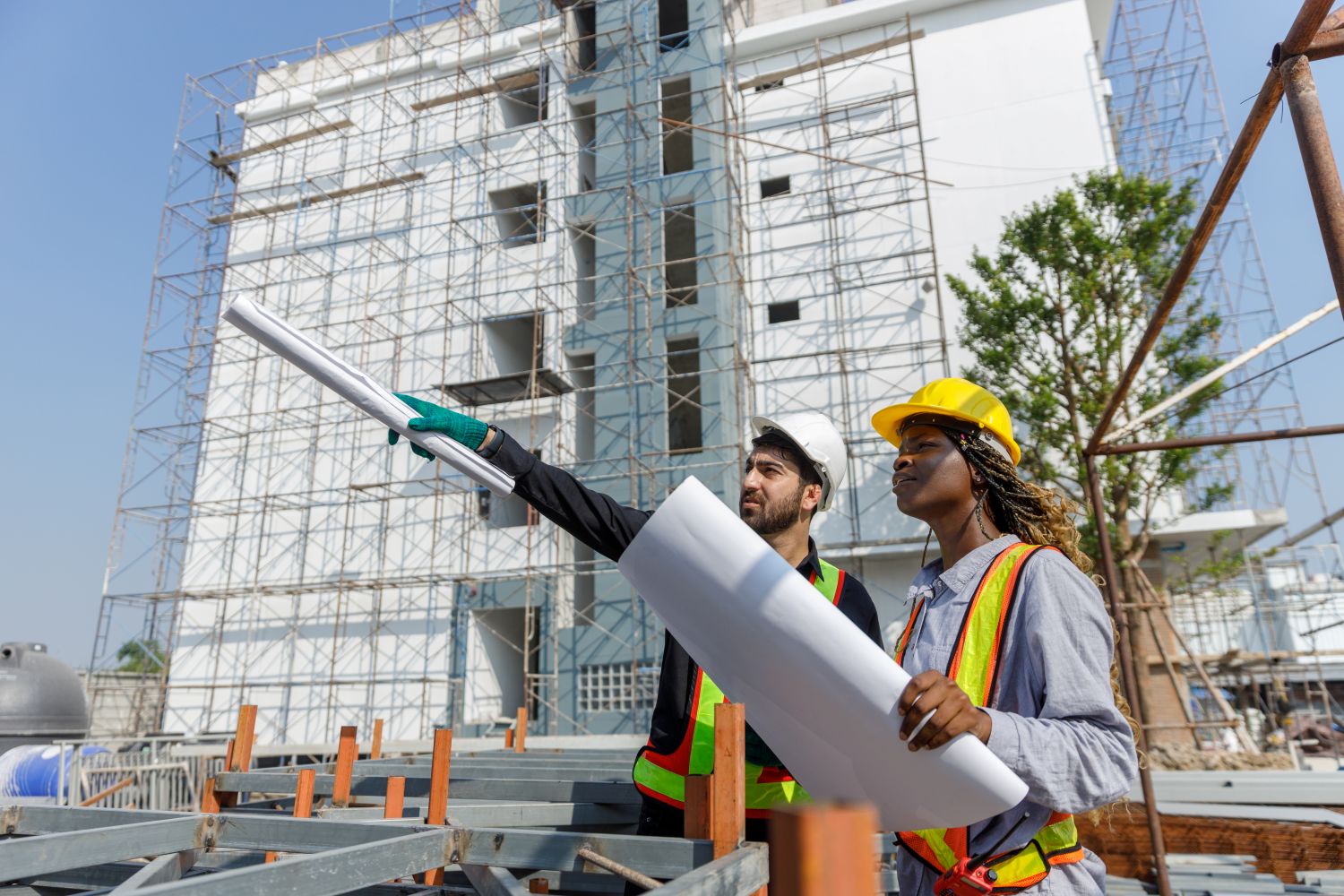
Mega projects, defined as large-scale, complex ventures usually costing over a billion dollars, span various industries, including construction, energy, transportation, and infrastructure development. Given their size and complexity, these projects often come with significant risks, including safety hazards, environmental impacts, and financial uncertainties. To mitigate these risks, global safety standards are essential. This article explores the importance of these standards, key frameworks, and best practices that contribute to the successful and safe execution of mega projects.
The Importance of Global Safety Standards
1. Ensuring Worker Safety
The foremost concern in any mega project is the safety of the workforce. High-risk environments can lead to accidents and injuries if proper safety measures are not in place. Global safety standards provide guidelines to minimize hazards and protect workers, ensuring that they can perform their tasks in a safe environment.
2. Reducing Financial Risks
Accidents and safety violations can result in substantial financial losses due to project delays, legal penalties, and increased insurance costs. Adhering to established safety standards can help avoid these financial pitfalls, ensuring that projects stay on budget and on schedule.
3. Enhancing Reputation and Stakeholder Trust
Compliance with global safety standards builds trust among stakeholders, including investors, clients, and the public. A solid safety record enhances a project’s reputation and can lead to future opportunities and partnerships.
4. Promoting Environmental Sustainability
Many mega projects have environmental implications. Global safety standards often include guidelines for minimizing environmental impacts, promoting sustainable practices, and ensuring compliance with local and international environmental regulations.
Key Global Safety Standards and Frameworks
1. ISO 45001: Occupational Health and Safety Management Systems
ISO 45001 is an international standard that provides a framework for improving employee safety, reducing workplace risks, and creating better, safer working conditions. Key components include:
- Risk Assessment: Identifying hazards and assessing risks to implement appropriate controls.
- Continuous Improvement: Encouraging organizations to continually improve their occupational health and safety performance.
- Employee Involvement: Promoting collaboration between management and employees in safety initiatives.
2. ANSI/ASSP Z10: Occupational Health and Safety Management Systems
The American National Standards Institute (ANSI) and the American Society of Safety Professionals (ASSP) developed this standard to provide a comprehensive framework for managing occupational health and safety. Key elements include:
- Management Commitment: Ensuring leadership support for safety initiatives and resource allocation.
- Employee Participation: Involving employees in safety discussions and decision-making processes.
- Performance Measurement: Establishing metrics to evaluate safety performance and identify areas for improvement.
3. OSHA Standards
The Occupational Safety and Health Administration (OSHA) in the United States sets and enforces standards to ensure safe and healthy working conditions. OSHA regulations cover various aspects of workplace safety, including:
- Construction Safety: Specific regulations for construction projects, including fall protection, scaffolding, and excavation safety.
- Hazard Communication: Requirements for labeling hazardous materials and providing safety data sheets (SDS) to workers.
4. International Labour Organization (ILO) Guidelines
The ILO provides guidelines for promoting safe and healthy working conditions globally. These guidelines emphasize the importance of:
- Worker Rights: Ensuring that workers have the right to a safe workplace and the means to report hazards.
- Training and Education: Providing safety training and resources to enhance worker awareness and skills.
- Risk Prevention: Implementing measures to prevent workplace accidents and health issues.
Best Practices for Implementing Safety Standards in Mega Projects
1. Conduct Comprehensive Risk Assessments
Before commencing a mega project, conduct thorough risk assessments to identify potential hazards and vulnerabilities. This process should involve collaboration among various stakeholders, including engineers, safety professionals, and workers.
2. Develop a Safety Management Plan
Create a comprehensive safety management plan that outlines safety policies, procedures, and responsibilities. This plan should be communicated clearly to all employees and stakeholders involved in the project.
3. Provide Ongoing Training and Education
Regular training sessions are essential for ensuring that workers are aware of safety procedures and protocols. Training should be tailored to the specific risks associated with the project and updated as needed.
4. Foster a Safety Culture
Encouraging a culture of safety within the organization can significantly improve compliance with safety standards. Promote open communication, recognize safe behavior, and encourage employees to report hazards without fear of retaliation.
5. Monitor and Evaluate Safety Performance
Implement systems to monitor safety performance throughout the project lifecycle. Regular audits, inspections, and feedback from workers can help identify areas for improvement and ensure compliance with safety standards.
Conclusion
The successful execution of mega projects relies heavily on adherence to global safety standards. By prioritizing worker safety, reducing financial risks, and promoting environmental sustainability, organizations can navigate the complexities of large-scale projects while ensuring the well-being of their workforce and stakeholders. Implementing best practices and leveraging established safety frameworks will not only enhance project outcomes but also contribute to a culture of safety that benefits everyone involved. As the landscape of mega projects continues to evolve, the commitment to safety must remain a top priority for all stakeholders.